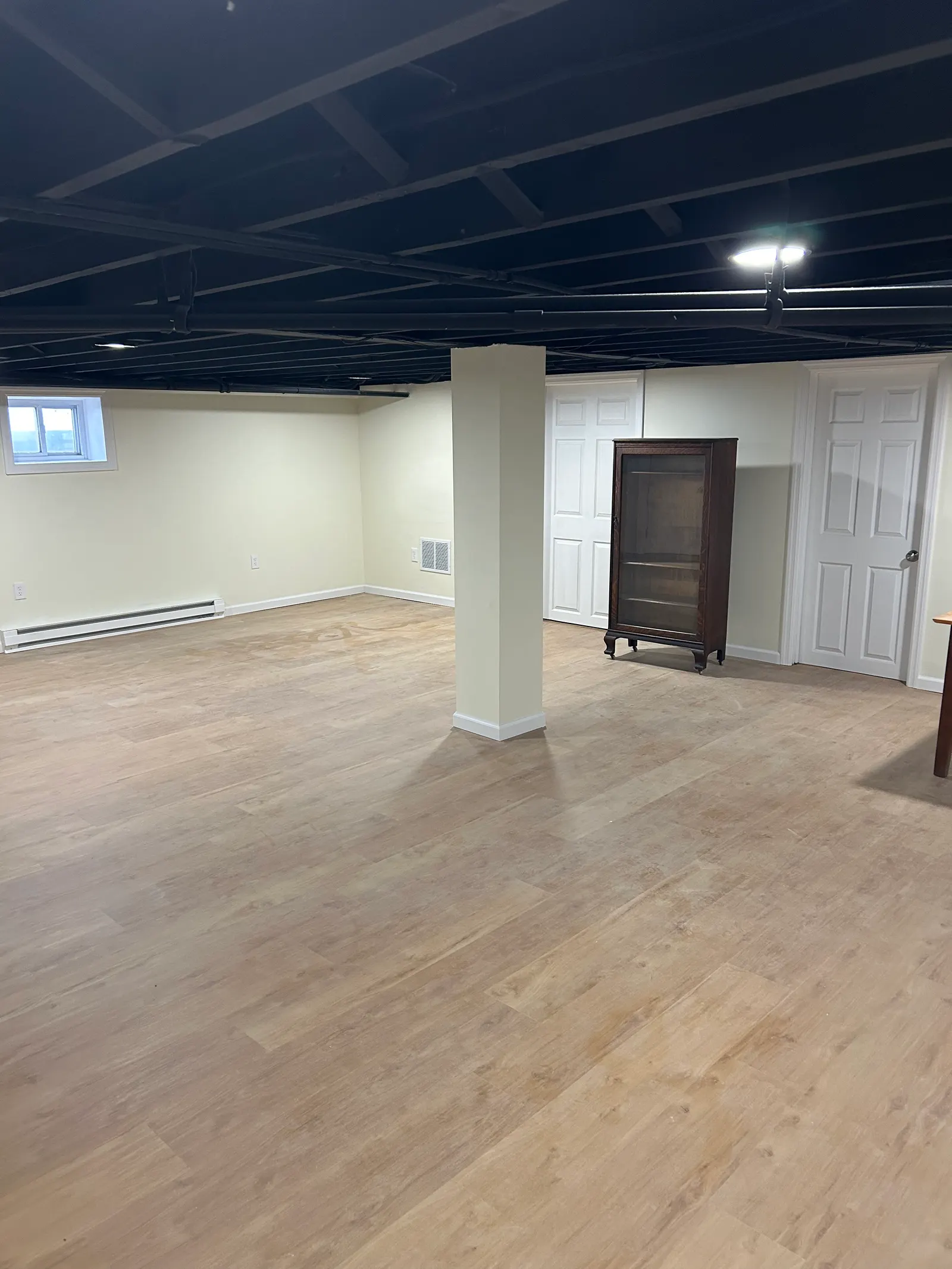
A finished basement is usually the least expensive way to add real living space to a house in Montgomery County. The walls, the floor, and the roof over it already exist. What decides whether the project goes smoothly is the part most people skip: the permit, the escape window, and the water.
This guide walks through those in the order they matter. It's written for homeowners in Norristown, King of Prussia, Collegeville, Audubon, Blue Bell and the rest of Montgomery County & Greater Philadelphia, where many basements sit under homes built between the 1920s and the 1980s.
Do you need a permit to finish a basement in Montgomery County?
In almost every case, yes. Pennsylvania uses one statewide building code, the Uniform Construction Code (UCC), and your township or borough enforces it, either with its own code office or through a third-party inspection agency. Inside the city, Philadelphia L&I handles it. Since January 1, 2026, new permit applications in Pennsylvania are reviewed under the 2021 editions of the International Codes, including the International Residential Code (IRC).
Turning an unfinished basement into living space means new walls, new circuits, and often a bathroom, so expect a building permit plus electrical and, if there's a bath, plumbing. A typical inspection sequence looks like this:
- Framing, before insulation goes in
- Rough electrical and rough plumbing
- Insulation, before drywall
- Final, including smoke and CO alarms
Inspectors also check ceiling height. The IRC wants habitable basement rooms at least 7 feet high, with beams, ducts and pipes allowed to drop to 6 feet 4 inches. Low ceilings under old ductwork are one of the first things to measure. On our jobs, we pull the permit and schedule each inspection as part of the work.
Egress window requirements for a finished basement
The IRC (section R310) requires an emergency escape and rescue opening in a basement that has habitable space, and in every basement bedroom. In practice that means a window a person can climb out of and a firefighter can climb into. The numbers inspectors check:
- Net clear opening of at least 5.7 sq ft (5.0 sq ft is allowed for openings at or below grade)
- Opening at least 24 inches high and 20 inches wide
- Sill no more than 44 inches above the finished floor
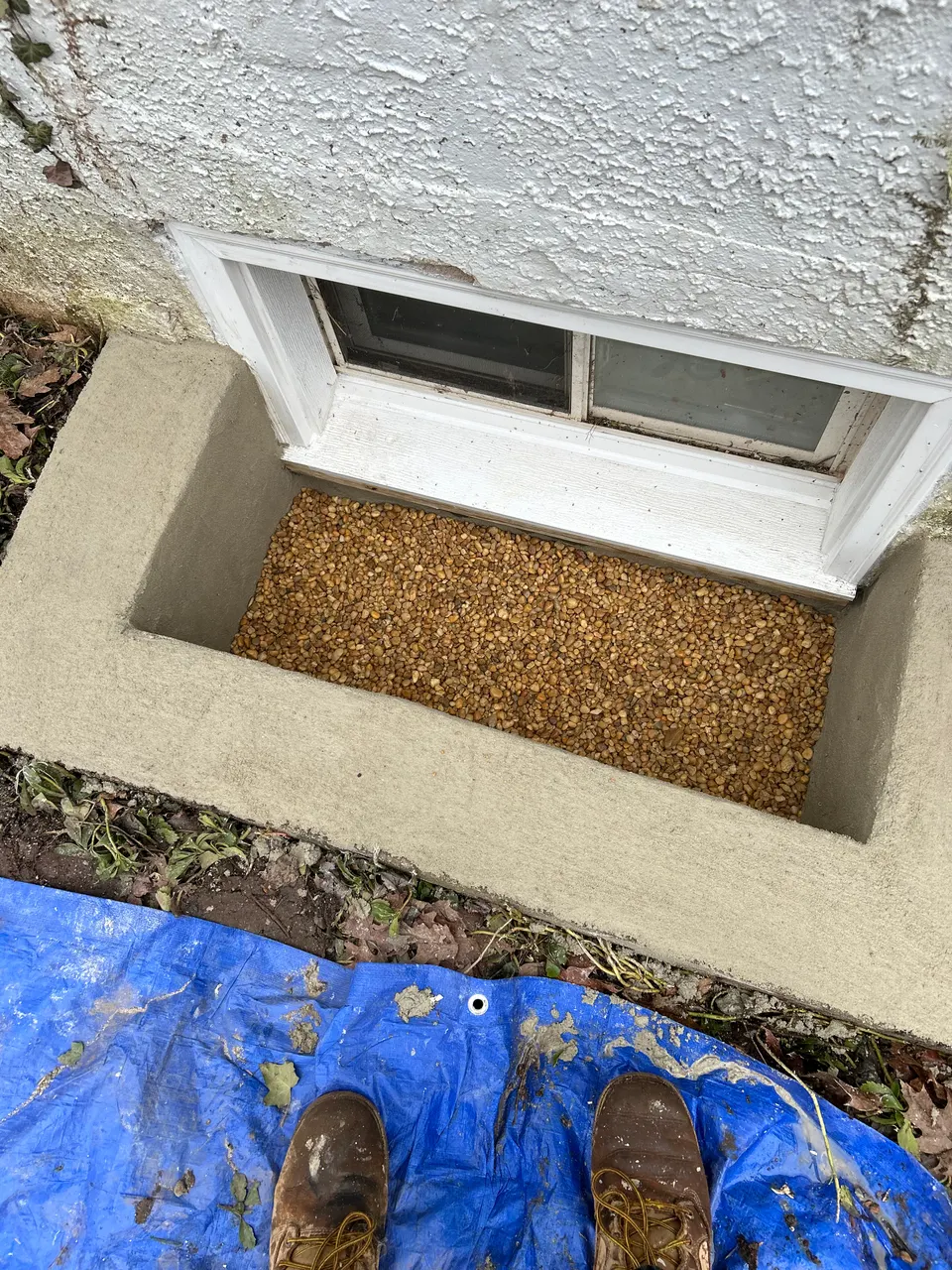
- A window well at least 9 sq ft, 36 inches wide and 36 inches out from the wall
- A permanent ladder or steps if the well is deeper than 44 inches
The small hopper windows in most Montgomery County basements don't come close. Adding egress usually means cutting the foundation, setting a header, installing a larger window, and digging a well with drainage. It also matters at resale: a room without a code-compliant escape opening shouldn't be listed as a bedroom.
Moisture first: basement waterproofing and insulation
Water is the reason finished basements fail. Look for white chalky deposits on the walls (efflorescence), a line of old staining, a musty smell, or rust at the bottom of the water heater. Fieldstone foundations in older Lower Providence and Norristown homes and hollow block walls in 1950s and 60s houses both let moisture through; poured concrete is tighter but not immune.
An easy test: tape a two-foot square of plastic sheeting to the wall and the floor for 48 hours. Droplets on the room side point to humid air, which a dehumidifier handles. Droplets underneath mean moisture is coming through the concrete.
Fix it from the outside first. Clean gutters, extend downspouts several feet from the foundation, and regrade soil so it slopes away from the house. Those three steps often solve a damp basement on their own. If water is actively entering, an interior drain and sump system from a waterproofing specialist comes before any framing.
Then insulate for a below-grade wall. Rigid foam board goes directly against the concrete, with the stud wall built in front of it. The old approach of fiberglass batts behind plastic sheeting traps moisture against the wall and is where most basement mold stories begin. For our climate zone (4A), the energy code asks for R-10 continuous insulation or R-13 in the stud cavity on basement walls. On the floor, luxury vinyl plank or tile handles a concrete slab far better than solid hardwood.
Radon testing before you finish a basement
Pennsylvania has some of the highest radon levels in the country, and the gas comes up through the slab and foundation cracks. The Pennsylvania Department of Environmental Protection recommends testing every home, and the EPA's action level is 4 picocuries per liter (pCi/L).
Test before the walls close. A short-term kit from a hardware store costs little and takes a few days. If the reading is high, Pennsylvania requires anyone paid to install a radon mitigation system to be certified by DEP. Doing it first means the vent pipe can run where it makes sense, and we can frame a chase around it rather than tearing open a finished wall later.
How much does it cost to finish a basement in Montgomery County?
These are national figures from two public cost guides. Treat them as a starting point for budgeting, not a quote. Labor, permit fees and material prices in the Philadelphia suburbs vary from job to job and township to township.
| Item | Typical national range | Source |
|---|---|---|
| Finish a whole basement | $15,000 to $75,000; about $32,000 average | HomeAdvisor, 2026 |
| Full basement remodel, per sq ft | $30 to $90 per sq ft | Fixr |
| Egress window, installed | $2,723 to $5,898; about $4,244 average | HomeAdvisor, 2026 |
| Basement waterproofing | About $4,400 average | HomeAdvisor, 2026 |
| Sump pump | About $575 | HomeAdvisor, 2026 |
What moves a basement from the low end to the high end:
- A bathroom. Usually the largest single line. Below-slab drains may need a sewage ejector pit, and new rough-in plumbing is done by licensed trade partners we coordinate.
- Egress. Required for bedrooms, and one of the few items that involves cutting the foundation.
- Moisture work. Anything from downspout extensions to a full interior drain system.
- Ceiling. Drywall looks finished but buries shutoffs; a drop ceiling keeps them reachable. Many people mix the two.
- Size and layout. Every added room means more walls, doors, trim and circuits.
The ranges above come from Fixr and HomeAdvisor and are national figures, not our prices. Every job gets a free written estimate, itemized so you can see what each piece costs. Request yours below.
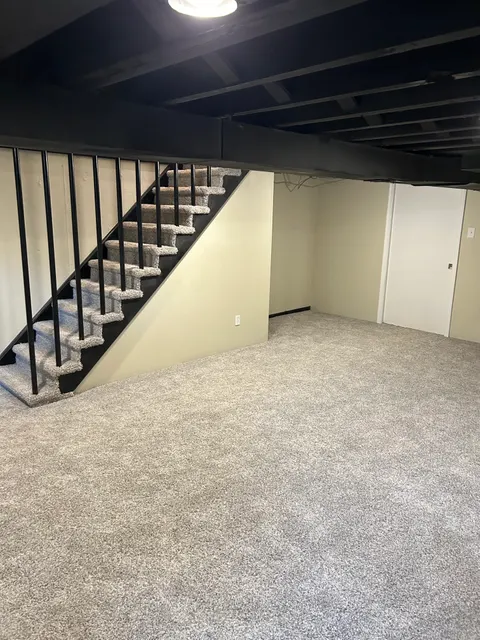
Finished basements from our job sites
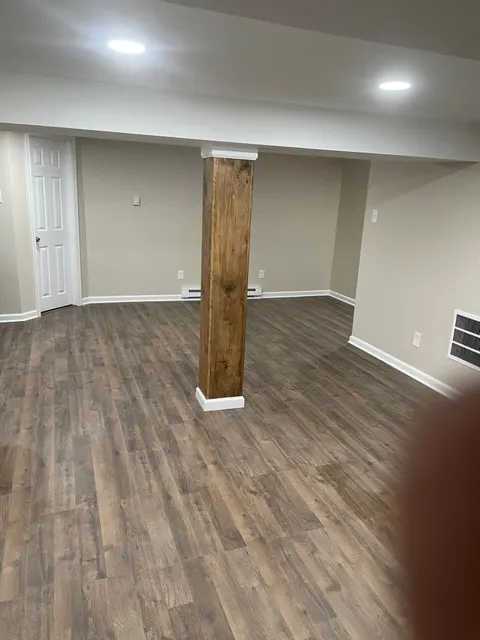
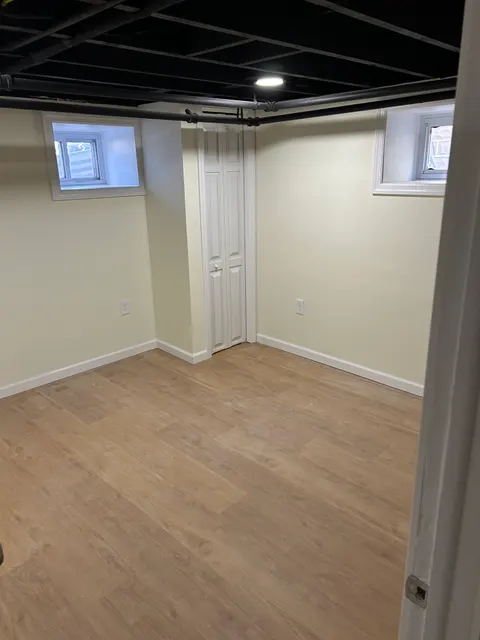
These are our own basement projects around the Philadelphia area. See more basement photos in the gallery, or read about our basement finishing service.
Basement finishing questions
Do I need a permit to finish my basement in Montgomery County, PA?
Almost always. Creating living space with new walls, wiring or plumbing requires a building permit from your township or borough under Pennsylvania's Uniform Construction Code, or from Philadelphia L&I inside the city. Expect framing, rough-in, insulation and final inspections.
Does a basement bedroom need an egress window?
Yes. Every basement sleeping room needs an emergency escape opening with at least 5.7 sq ft of net clear opening (5.0 sq ft at or below grade), at least 24 inches high and 20 inches wide, with the sill no higher than 44 inches off the floor.
How much does it cost to finish a basement?
HomeAdvisor puts the national range at $15,000 to $75,000, and Fixr lists $30 to $90 per square foot for a full basement remodel. Those are national figures, not our prices. Every job gets a free written estimate.
Should I test for radon before finishing my basement?
Yes. The Pennsylvania DEP recommends testing every home, and the EPA action level is 4 pCi/L. Testing before the walls close lets a certified mitigator route the vent pipe cleanly if one is needed.
Can a damp basement still be finished?
Often. Gutters, downspout extensions and grading fix most dampness, and rigid foam insulation with vinyl plank flooring tolerates what's left. If water is actively coming in, have it waterproofed before any framing starts.