- Room-by-room checklist
- Typical costs
- Bundling
- What to have ready
- Licensed & insured
- When to call a trade
- FAQ
Most houses around Norristown, King of Prussia and Collegeville carry a running list: the dripping faucet, the door that won't latch, the patch left when a shelf came down. This guide sorts which jobs are worth hiring out, which need a licensed plumber or electrician instead, and how to turn the list into one efficient visit.
A room-by-room checklist of repairs worth hiring out
Walk the house with a notepad or your phone and jot down anything on these lists that applies. Note the room, what's wrong, and whether you already have the replacement part.
Kitchen
- Faucet replacement on the existing supply lines
- Drop-in sink swap or a loose, leaking sink
- Garbage disposal replacement on the existing drain and outlet
- Worn caulk along the backsplash and countertop seam
- Cabinet doors that sag, rub or won't close
- A cracked backsplash tile or two
Bathrooms
- Toilet replacement with a new wax ring and supply line
- Vanity faucet or sink swap
- Cutting out and redoing tub and shower caulk
- Regrouting cracked or missing grout lines
- Loose towel bars and grab-bar blocking
- Replacing a like-for-like light fixture over the mirror
Living rooms, bedrooms and halls
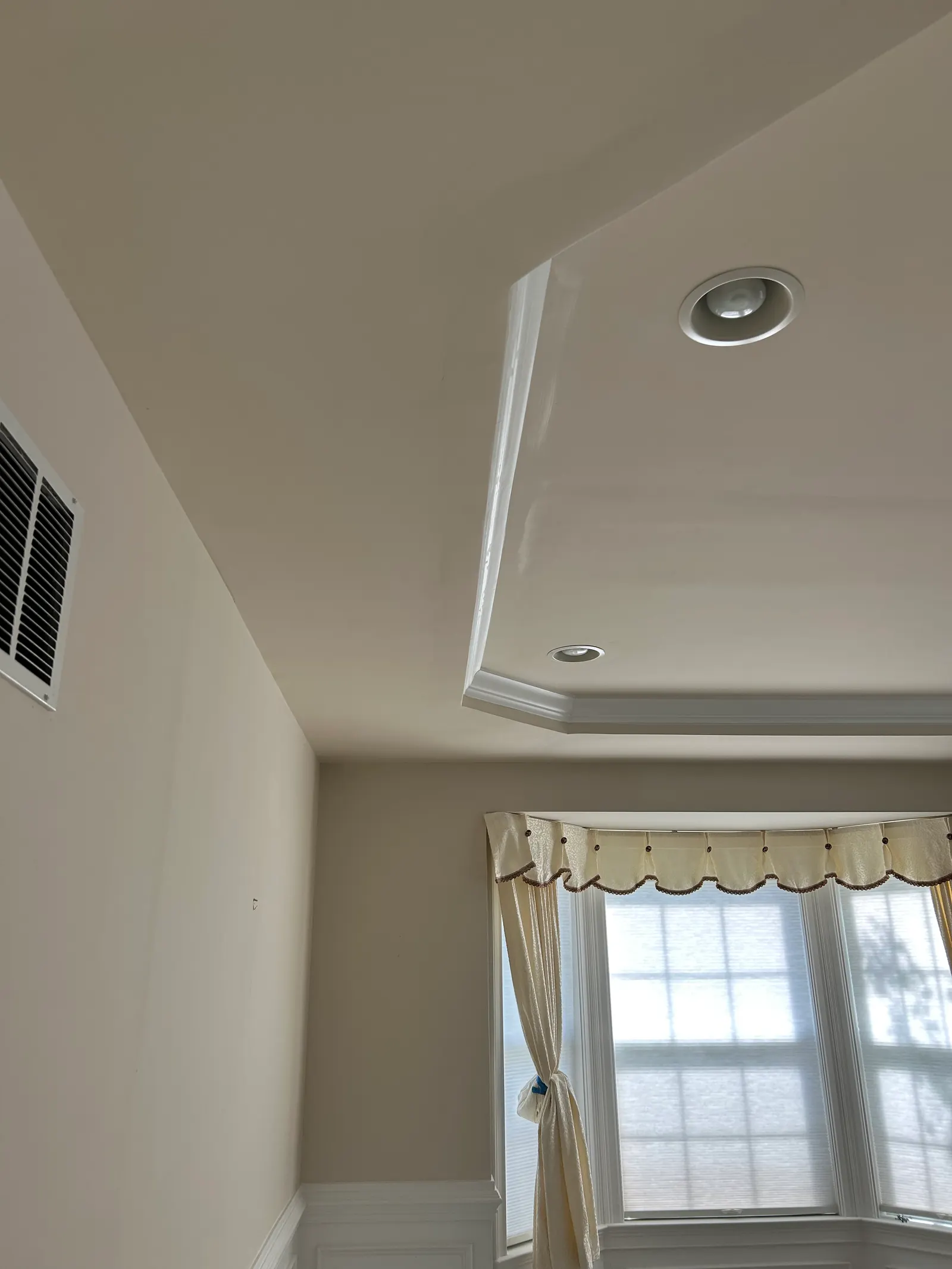
- Drywall patches from anchors, doorknobs and old mounts
- Plaster cracks in older homes
- Interior doors that stick, rub or won't latch
- Loose or missing baseboard, casing and shoe molding
- Swapping a light fixture or fan on an existing box
- Touch-up paint after the repairs
Entries and the outside of the house
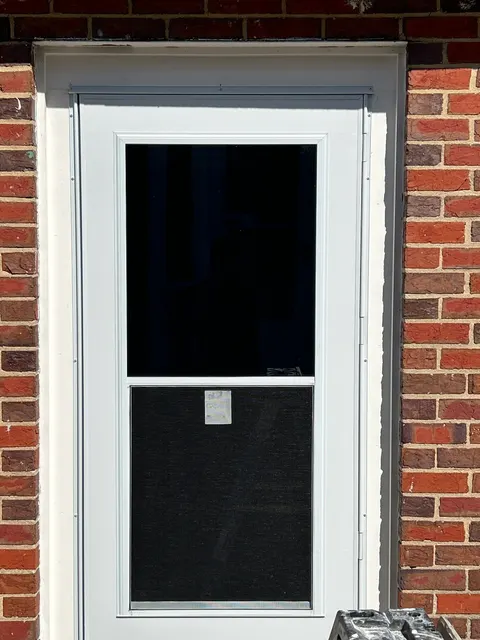
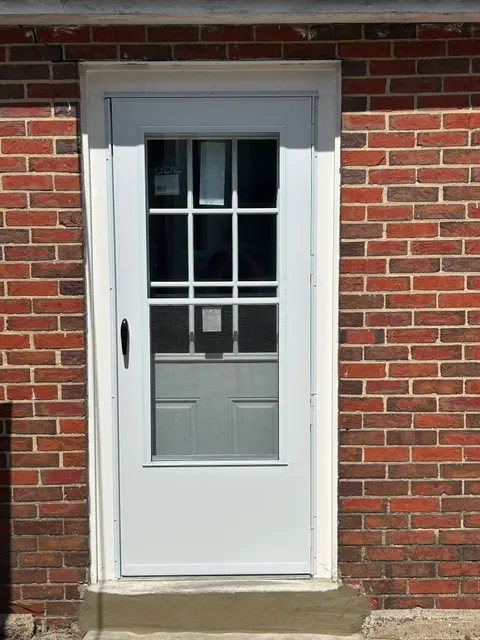
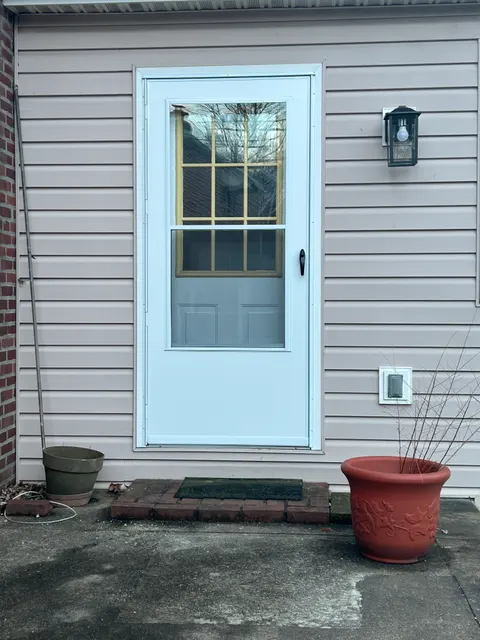
- Storm door installation or replacement
- Weatherstripping on exterior doors
- Exterior caulk around door and window trim
- Loose thresholds, strike plates and hinges
What small handyman jobs typically cost
Handyman work is priced either by the hour or as a flat rate per task. HomeAdvisor (updated June 2026) reports $60 to $125 per hour plus materials when a handyman bills hourly, and $390 on average per project. Fixr (updated January 2025) puts common hourly rates at $50 to $100. Here's how the two sources price the jobs on the checklist:
| Job | Fixr national range (2025) labor, part not included | HomeAdvisor (2026) |
|---|---|---|
| Bathroom faucet | $60 to $150 | About $90 |
| Toilet | $100 to $200 | About $150 |
| Light fixture existing location | $80 to $150 | About $65 (hall light) |
| Ceiling fan existing fixture location | $100 to $300 | About $100 ($250 second story) |
| Hang a new door | $200 to $300 | Not listed |
| Tile and grout repair | $200 to $400 | About $440 |
| Weatherstripping | Not listed | About $265 per project, roughly $95 per exterior door |
These are typical national ranges, not our prices. Every job gets a free written estimate, and yours will reflect the actual list, the parts and the condition of your house.
Why bundling your list into one visit saves money
A real share of the cost on a small job isn't the work itself. It's getting a person, tools and materials to your door. Fixr notes that the most common handyman minimum is about $130 for jobs that take 30 minutes or less, and that you pay the minimum even when the task takes a fraction of the time. Some handymen bill drive time instead, starting the clock when they leave for your house.
That math works in your favor as the list grows. A faucet, a toilet, two drywall patches and a sticking door can often fit into one visit, with one setup and one cleanup. HomeAdvisor's own hiring advice is to write down everything you need done, set a budget for each task, and ask whether the handyman will bundle tasks for a slight discount.
We work the same way. There's a minimum for a single visit, and the best value is to send the whole list at once so we can plan it into one trip. You'll know the price before any work starts.
What to have ready before the visit
- A written list with photos. One photo per item, plus a wider shot of the room, lets us estimate time and bring the right parts.
- Model numbers and parts. If you've already bought the faucet, toilet or fixture, have it on site and unopened. Fixr notes that most handymen expect the fixture on hand for installation.
- Shutoffs you can find. Know where the main water shutoff and the breaker panel are, and whether the valves under the sinks turn.
- Clear access. Empty the cabinet under the sink and move furniture away from walls being patched. Fixr points out that prepping and clearing the area helps jobs go faster.
- Paint information. If you want patches painted to match, find the can or the brand and color name.
Why licensed and insured matters even for small jobs
Small jobs still involve water, electricity and your finished surfaces. One loose supply line can soak a kitchen floor.
Pennsylvania's Home Improvement Consumer Protection Act (HICPA) requires contractors who do $5,000 or more of home improvement work a year to register with the Attorney General. To register, a contractor must show liability insurance of at least $50,000 for personal injury and $50,000 for property damage. Registered contractors must also print their registration number on ads, estimates and contracts, so you can look it up on the state's HIC search before anyone starts. Ours is PA HIC #186102.
The Act's contract rules apply to jobs where the total price is more than $500, which a bundled list can pass quickly. Those jobs need a written, signed contract with the contractor's registration number, and you have three business days to cancel after signing. For more on what to check, read our guide to choosing a remodeling contractor in Pennsylvania.
What a handyman shouldn't do without a licensed trade
Pennsylvania's Uniform Construction Code lets ordinary repairs go ahead without a permit, but it specifically says that cutting load-bearing walls, changing means of egress, and adding to, altering or relocating piping, wiring or mechanical systems are not ordinary repairs. Your township may have added its own rules, so it's worth a call. In practice, these jobs belong with a licensed trade and, usually, a permit:
- Anything involving gas. New gas lines, moving a gas range, or connecting gas appliances where there was no line before.
- Electrical panel work. Adding breakers, replacing a panel or upgrading service.
- New circuits and new outlets. A ceiling fan where there was never a fixture, or an outlet on a wall that never had one.
- Rough plumbing. Moving a drain, adding a supply line, or relocating a toilet or sink.
- Structural changes. Removing or cutting into a wall that carries load, or changing a window or door opening that serves as an exit.
We are a registered home improvement contractor, not a plumber or electrician. Our small-job work is like-for-like fixture replacement where a fixture already exists. When a job needs new rough-in, licensed trade partners we coordinate handle it, and it shows up in the same written estimate. Send us your list.
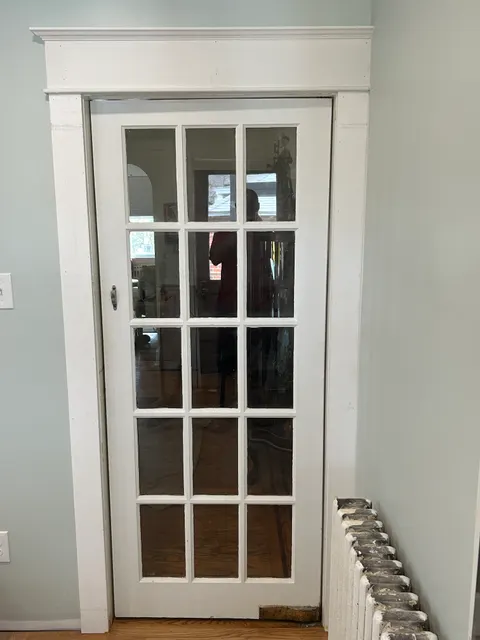
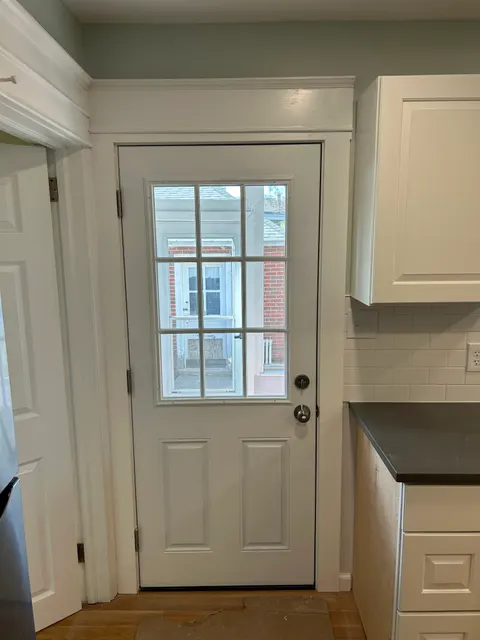
Doors, entries and finish work we've done
These are our own job sites. See more in the gallery.
Small home repair questions
How much does a handyman cost for small repairs?
HomeAdvisor (June 2026) reports $60 to $125 per hour plus materials for hourly work and about $390 on average per project. Fixr lists typical labor for a bathroom faucet at $60 to $150 and a toilet at $100 to $200, not counting the fixture. Every job gets a free written estimate based on your actual list.
Is it cheaper to have several small repairs done at once?
Usually. Many handymen have a minimum charge or bill travel time, so one visit that covers five tasks spreads that cost across all of them. HomeAdvisor suggests asking whether a handyman will bundle tasks for a slight discount.
Does a handyman need to be registered in Pennsylvania?
Under the Home Improvement Consumer Protection Act, anyone doing $5,000 or more of home improvement work a year must register with the Attorney General and carry at least $50,000 each in personal injury and property damage liability insurance. You can check a registration number at hicsearch.attorneygeneral.gov.
Can a handyman install a ceiling fan where there's no light?
A new fixture location means new wiring, which a licensed electrician should run. A fan can usually replace an existing fixture on the same box if the box is rated to carry a fan.
Sources
- HomeAdvisor: Handyman pricing sheet, updated June 2026
- Fixr: Handyman service cost, updated January 2025
- Pennsylvania Office of Attorney General: HIC registration FAQ and the Home Improvement Consumer Protection Act, 73 P.S. § 517.1 et seq.
- 34 Pa. Code § 403.62, Uniform Construction Code permit requirements and ordinary repairs