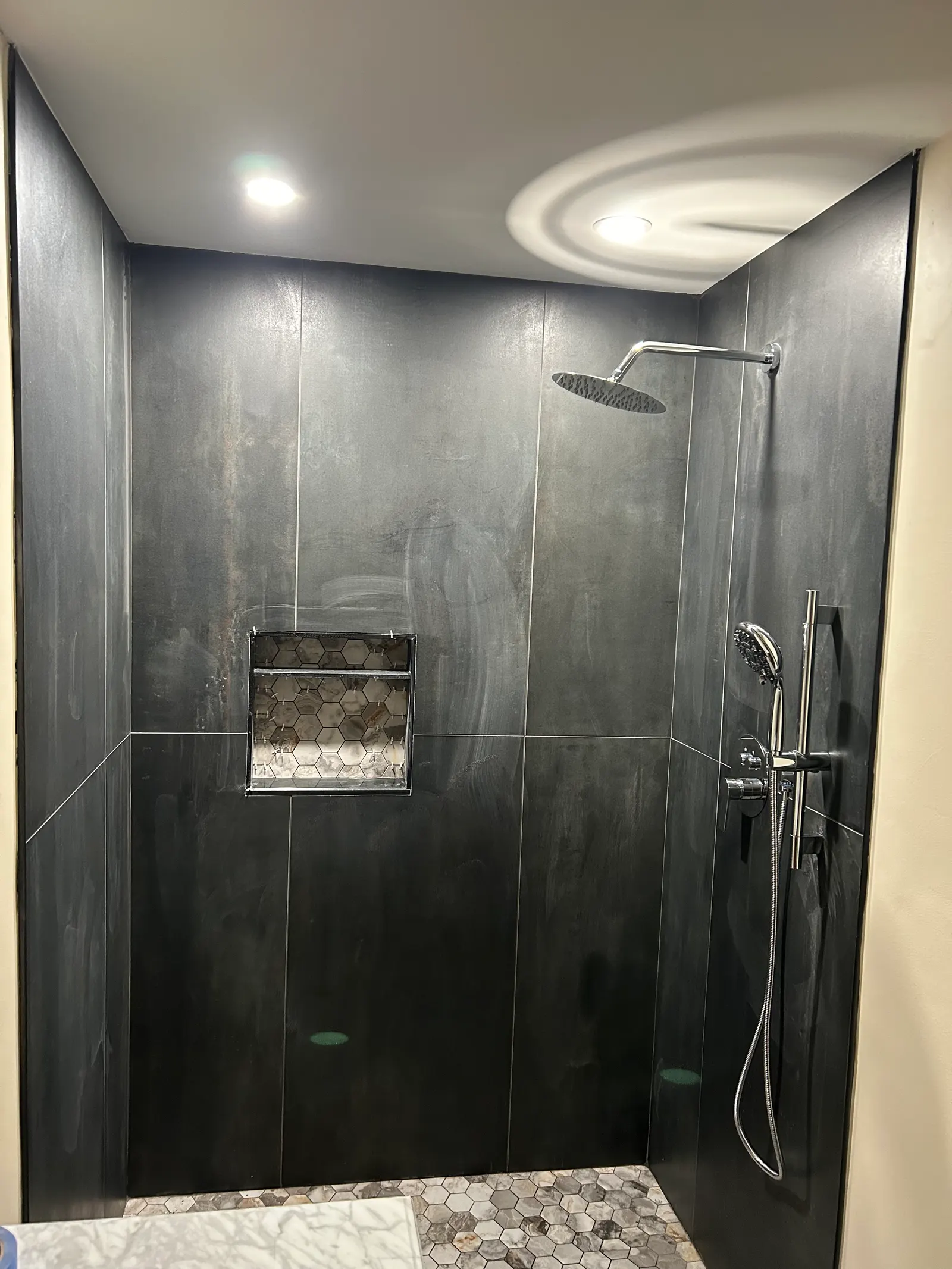
Plymouth Meeting isn't a borough or a township. It's a census-designated place of about 7,500 people that straddles two townships, Plymouth and Whitemarsh, and the township your house sits in decides who reviews your permit. The village began as a Quaker settlement around the meetinghouse at Germantown and Butler Pikes, and today it sits beside one of the region's big highway junctions, where the Pennsylvania Turnpike, its Northeast Extension and the Blue Route meet. We drive over from Eagleville in about twenty minutes. Pisasale & Sons is a family-owned, licensed and insured remodeling contractor (PA HIC #186102), with one crew on your job from start to finish.
A post-war township around an old village
Most of the 19462 area is in Plymouth Township, and the township's Plymouth 2040 comprehensive plan tells the story of its houses. The Pennsylvania Turnpike came through in 1950 with an interchange at Germantown Pike and Plymouth Road, and residential building took off. Almost half of the township's homes were built in the 1950s and 1960s, in large subdivisions such as Plymouth Valley, Plymouth Hills and Plymouth Meeting Park, and only about 15 percent date from before 1950. The township's first townhouses went up in 1955, garden apartments followed in the 1960s and 1970s, and the Rouse Company developed the Plymouth Meeting Mall in 1966. In the census figures the plan uses, about 57 percent of the township's roughly 7,100 homes are single-family detached, with townhouses at about 16 percent.
That means most Plymouth Meeting houses are now 60 to 75 years old and have been through one or two rounds of updates, or none. Here's what that usually looks like when we walk through:
- Original or once-updated bathrooms: small footprints, tile over old mortar beds, and a tub where the owners would rather have a walk-in shower
- Kitchens built as separate rooms, often with a wall that could open to the dining room if the framing allows
- Basements left as storage and laundry, ready to become a family room or office once moisture and headroom are checked
- Hardwood under old carpet in some houses, and worn floors in others that are better replaced with plank or tile
- Townhouses from later decades with builder kitchens and baths ready for a refresh inside the same footprint
Remodeling services in Plymouth Meeting
- Kitchen remodeling: new cabinets and counters in a mid-century layout, or opening the kitchen to the dining room (see a white shaker kitchen and main-floor refresh we did)
- Bathroom remodeling: tub-to-shower conversions, tiled walk-in showers and new vanities for hall and primary baths
- Basement finishing: framing, insulation, drywall and flooring to turn a storage basement into living space
- Flooring and tile: luxury vinyl plank, tile and stair treads through the main floor
- Decks and porches: replacing aging rear decks, new railings and steps, and front entry updates
- Home additions: rear and side additions where the lot and zoning allow
- Handyman services: fixture swaps, doors, trim, drywall repair and painting
The township line runs right through Plymouth Meeting, so we look up the parcel before we price anything. Your written estimate names the township, the permits it will require, and any historic district review that applies. Request yours below.
Permits: Plymouth Township or Whitemarsh Township
Census Bureau data shows about 70 percent of the 19462 ZIP's land is in Plymouth Township and the rest in Whitemarsh Township, and the Plymouth Meeting community itself crosses that line. The township, not the mailing address, issues the permit.
- Plymouth Township: the Code Enforcement Department works out of the Township Building at 700 Belvoir Road, open 7:30 a.m. to 4:15 p.m. on weekdays. It coordinates applications for building projects and inspects all construction, and inspections need 48 hours' notice. Permits and contractor registration are handled through the township's online permit and registration portal, linked from its Code Enforcement page.
- Whitemarsh Township: Building & Permits is at 616 Germantown Pike in Lafayette Hill. The township requires a permit before anyone builds, enlarges, alters or repairs a structure, or installs or replaces regulated electrical, gas, mechanical or plumbing systems, and only contractors registered with the township can pull building permits. Its building, permitting and licensing page has the residential, finished basement and deck requirements.
We register with whichever township applies, prepare drawings, file the application and meet the inspector, so you deal with one contractor instead of two township offices.
Homes near the historic village
The old crossroads village at Germantown and Butler Pikes was listed on the National Register of Historic Places in 1971 as the Plymouth Meeting Historic District, 66 buildings mostly from the late 1700s and 1800s. Plymouth Township's plan notes that the Plymouth-Whitemarsh Historical Architectural Review Board (HARB) advises the townships on building, altering, repairing or demolishing structures in the district, and Whitemarsh says exterior changes visible from a public way in its historic district must be reviewed by HARB. For a house in the district, a new porch, entry door or addition can need HARB review on top of the building permit, which adds time to the schedule. Elsewhere in Plymouth Township, the Cold Point Historic District around Militia Hill and Narcissa Roads holds another 51 houses from the same era. If your home is in either district, we'll tell you at the walkthrough and confirm with the township what review applies.
Photos from our job sites
These are from our own job sites around Montgomery County and Philadelphia. See the full gallery for more.
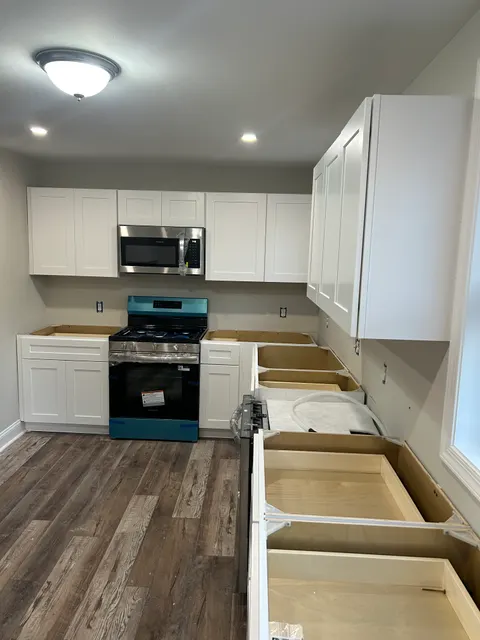
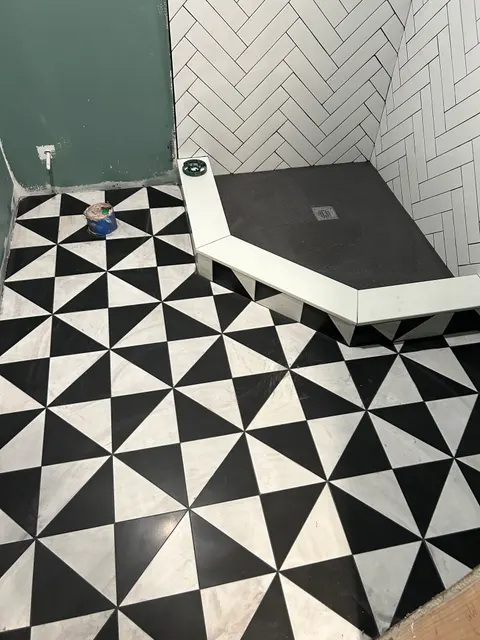
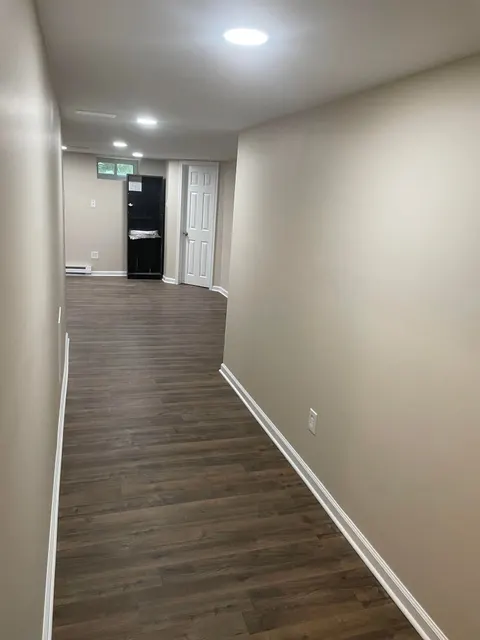
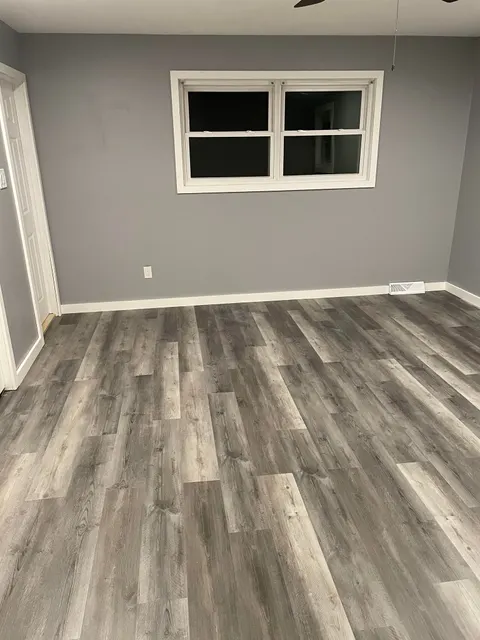
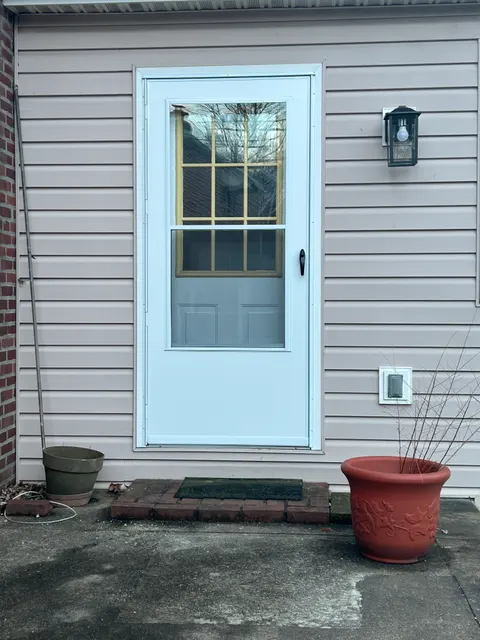
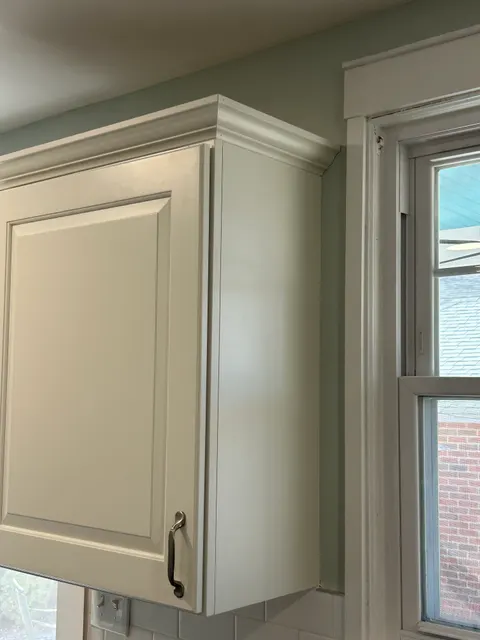
The shower at the top of this page has its own project write-up, from waterproofing to the finished tile.
Plymouth Meeting remodeling questions
Is Plymouth Meeting in Plymouth Township or Whitemarsh Township?
Both. Plymouth Meeting is a census-designated place, not a municipality, and it straddles the two townships. Most of the 19462 ZIP is in Plymouth Township, with the rest in Whitemarsh. Permits come from whichever township your property is in, and we confirm that before the estimate.
Do I need HARB approval to remodel my kitchen or bathroom?
Usually not. HARB review is aimed at the outside of buildings in the historic district, such as porches, doors and additions; Whitemarsh, for example, requires it for exterior changes visible from a public way. For a house inside the district we confirm with the township before work starts. Interior remodels still need the usual township building, plumbing or electrical permits when the work calls for them.
Can you open up the kitchen in a 1950s house?
Often, yes. We check whether the wall is load-bearing and what runs through it, then price either a full opening or a wider doorway. Structural changes need a township permit, and we handle the drawings and inspections.
How far are you from Plymouth Meeting?
About twenty minutes. We're based in Eagleville, in Lower Providence Township. We reply within 1 business day. The walkthrough and written estimate are free.